
Medicap Home Medical
Updated Thu June 4, 2026
Published Under: CPAP Therapy & Tips Lifestyle & Travel
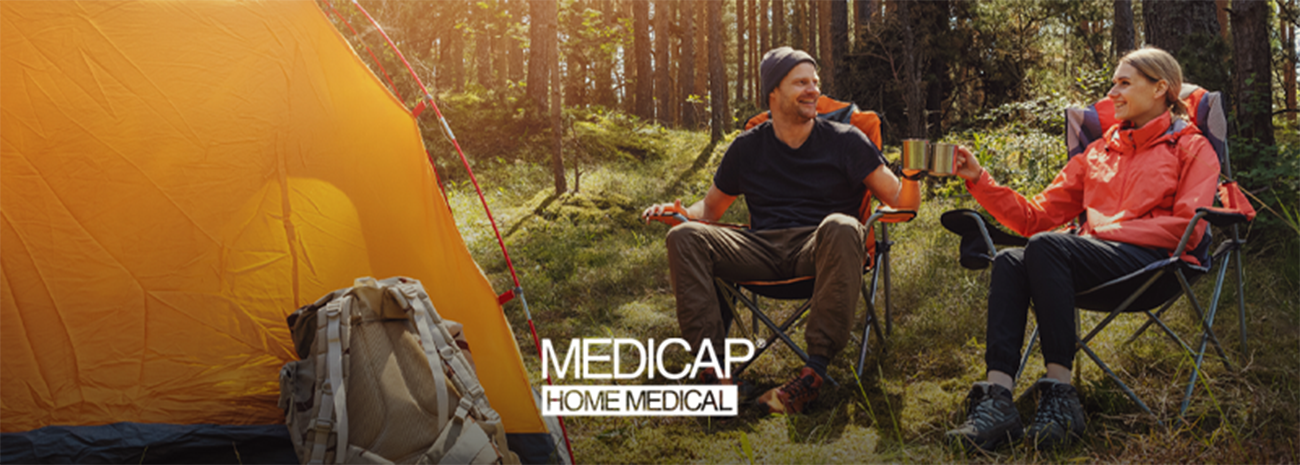
If you love camping, cabins, or summer road trips, it’s normal to wonder if CPAP will make things complicated. You might be thinking: What if there’s no outlet? What if it gets dusty? What if the cold night air makes everything wet inside the tube?
Here’s the encouraging truth: many people keep up with CPAP therapy while camping and traveling outdoors — it just takes a little planning and a simple setup that fits your trip style.
At Medicap Home Medical (formerly NuCara Home Medical), the goal is to make sleep therapy feel doable in real life, not perfect on paper. Medicap’s team focuses on friendly, personalized support with sleep consultants who can help you problem-solve before you leave town.
A quick note before you plan your trip
You don’t have to figure all of this out alone. Medicap Home Medical (formerly NuCara Home Medical) serves CPAP and BiLevel patients across multiple Iowa locations plus Paynesville, Minnesota, so you can get local support and help with supplies when you need it.
Start here: choose your trip style
Camping looks different for everyone. Start by picking the “version of camping” you’re actually doing, then plan around that.
Tent camping
Tent camping is the most common place people worry about CPAP because power and weather feel unpredictable. The good news is that tent camping can be CPAP-friendly when you plan for power, clean storage, and temperature changes (more on all three below).
Best mindset: keep your setup simple and protect your gear from dirt and moisture.
RV or camper
RV camping is often the easiest for CPAP users because outlets may be available and gear can stay more protected. Still, you’ll want to think about outlet placement near the bed and bring a power strip or extension cord, because RV outlets can be… creative.
Best mindset: you’re close to “home setup,” just smaller.
Cabin with outlets
Cabins usually mean easier power and more stable indoor conditions, but you still have travel variables like dust, different room temperatures, and forgetting a small part.
Best mindset: pack like you’re staying at a friend’s house, comfortable, but bring what you can’t replace easily.
Road trip hotel mix
Road trips can be the most flexible option because you can keep extra supplies in your car and adjust as you go. Hotels can still throw curveballs (outlets far from the bed, dry air, strong A/C).
Best mindset: store your CPAP kit in one “grab-and-go” bag and do a quick check at each stop.
Power planning Made simple
Let’s keep this high-level and safety-minded. You do not need to become an electrician to plan power for CPAP.
Think in questions not tech specs
Before you go, ask yourself:
- Will I have a reliable outlet where I’m sleeping?
- Cabin/hotel/RV: often yes
- Tent camping: often no
- Am I camping somewhere that could lose power? Rural storms happen. Having a backup plan can reduce anxiety.
- Do I want a lightweight travel setup? Medicap offers PAP products including travel CPAP options like AirMini and Transcend Mini (prescription required) plus accessories like a portable CPAP backup battery, helpful for camping and road trips.
Batteries travel setups and safe compatibility
Some people use a portable CPAP battery for outdoor trips. Others use travel-focused setups that are designed to be easier to pack. The key is compatibility and safe use:
- Use manufacturer guidance for your device and power options.
- Ask for help choosing compatible solutions instead of guessing. Medicap’s team can help you think through what works with your machine and travel style.
If you want personalized guidance, you can reach Medicap through the contact form.
Your outdoor CPAP packing list
This packing list is camping-focused, not “generic travel.” The goal is to keep therapy consistent while protecting your equipment outside.
CPAP essentials
- CPAP or BiLevel machine
- Mask (bring the one you already sleep well with)
- Tubing (consider a backup if you have room)
- Filters (pack extras—dust happens)
- Power supply and cords
- Extension cord or power strip (helps in cabins, RVs, and hotels)
- Humidifier water chamber (if you use it)
Medicap carries common supplies like tubing, filters, and humidification chambers, plus mask cushions and headgear.
Camping extras that make a big difference
- Portable CPAP backup battery (if you need power without an outlet)
- Seal-friendly cleaning wipes or a simple mini cleaning kit (quick wipe downs help with comfort)
- A clean, closeable bin or large zip bag for dust protection (especially in tents)
- Soft towel or microfiber cloth (dry parts, keep your surface clean)
- Spare mask cushion or nasal pillows (small item, big impact)
- Spare filters (again: dust)
- A dedicated travel case (keeps everything in one place)
Resupply tip: If you’re close to replacement time, ordering ahead can prevent last-minute stress. Medicap has a CPAP resupply program and can ship supplies to your door.
Read More: CPAP Supply Replacement Schedule Guide
How to protect your therapy outside
Outdoor trips add a few environmental factors that can make CPAP feel different. Here’s how to handle them without overthinking it.
Dust and dirt
Dust is one of the biggest camping issues because it can affect comfort and filters.
- Keep your machine inside a tent pocket, bin, or closed bag when not in use.
- Set up CPAP on a clean, stable surface (camp table or bedside surface).
- Pack extra filters and replace them if they look dirty sooner than usual. Filters are part of regular resupply for a reason.
Heat and cold
Camping temperatures swing more than your home.
- Heat: Avoid leaving your CPAP in a hot car for long periods. Bring it inside with you when possible.
- Cold nights: Cold air can make the air in the tubing cool down faster, which can lead to condensation.
Condensation rainout basics
“Rainout” is the common term for condensation in the tubing or mask. It often happens when warm, humid air meets a cooler environment (like a cold tent night or strong A/C in a cabin).
Try these simple steps:
- Keep the tubing closer to you (some people route it under a light blanket).
- If you use humidification, consider lowering humidifier output for that environment (don’t change clinical settings without guidance; focus on comfort features only if appropriate and allowed by your provider).
- Warm the room slightly when possible.
If rainout happens repeatedly, ask Medicap for help thinking through equipment comfort accessories that may fit your setup.
Learn More: Waking Up to Water in Your CPAP Mask? Here’s What to Do
Water and humidifier considerations
If you use a humidifier at home, you have options while camping:
- In cabins/hotels: you may be able to buy distilled water nearby.
- In tents: you may decide to go without humidification for a short trip, depending on your comfort and provider guidance.
If you’re unsure what’s best for your device, Medicap can help you plan your supplies and comfort accessories before you go.
If Something Goes Wrong – Mini Troubleshooting
This section is meant to reduce panic. Most issues have a “do this now” and a “prevent it next time.”
Problem: Mask leaks get worse outside
Do this now:
- Re-seat your mask (take it off and put it back on).
- Check the cushion for dirt, sunscreen, or sweat — wipe it clean.
Prevent next time:
- Pack wipes and consider bringing a spare cushion. Medicap offers mask cushions and mask wipes.
Problem: Dry nose or throat
Do this now:
- Make sure your mask fit is solid (leaks can increase dryness).
- Consider using humidification if you have it available and it’s part of your normal routine.
Prevent next time:
- Add “water plan + chamber” to your packing list and resupply before longer trips.
Problem: No power where you are sleeping
Do this now:
- Confirm outlet access, reset tripped power strips, and check cord connections.
- If you planned for battery power, switch to your backup option using manufacturer guidance.
Prevent next time:
- Choose the right trip style setup (cabin vs tent), and talk to Medicap about compatible power options and travel-friendly setups.
Problem: You forgot or broke a filter or cushion
Do this now:
- Use the spare you packed (this is why it’s on the list).
- If you don’t have one, contact Medicap for resupply support. Medicap can ship supplies to your door.
Contact Us for Resupply Support
Prevent next time:
- Do a quick “gear check” 2–3 days before leaving and order resupply early.
A light touch plan for resupply and local support
If you have a trip coming up, a small amount of planning can make camping with CPAP feel easy.
- Check your supplies a week or two before travel
- Order replacements if you’re due (Medicap’s resupply program can ship to your door)
- If you want help choosing travel-friendly options, Medicap offers PAP products including masks, accessories, and travel CPAP options, with a local support team behind you.
Need help getting travel-ready? Medicap’s sleep consultants are ready to answer questions and help you feel confident.
NuCara Home Medical is now Medicap Home Medical as of May 1, but you’ll still get the same friendly, local support you’re used to.
Prefer in-person support? Find your nearest branch in Iowa or Paynesville, MN.
Camping and road trip questions CPAP users actually ask
1. Can you use CPAP in a tent?
Yes, many people do, especially with a plan for power and keeping gear clean and protected. Think through where the machine will sit, how you’ll keep it dust-free, and what you’ll do if temperatures drop at night.
2. What if there’s no outlet where I’m camping?
Some campers use compatible battery options or travel setups designed for portable use, but compatibility matters. Check your manufacturer guidance and consider reaching out to Medicap for help choosing a safe, compatible solution.
3. Do I need a travel CPAP for camping?
Not always. Many people camp with their standard machine. If you camp often or want a lighter pack, Medicap carries travel CPAP options like AirMini and Transcend Mini (prescription required).
4. How do I keep my CPAP clean while camping?
Keep it simple: store equipment in a clean bag/bin, wipe your mask cushion as needed, and keep dust away from the machine. For longer trips, bring extra filters and basic cleaning supplies like wipes.
5. What should I do if my mask seal gets worse in heat or humidity?
Heat and sweat can affect the cushion seal. Wipe the cushion, re-seat the mask, and make sure straps aren’t over-tightened. If problems persist, Medicap can help you troubleshoot fit and supply replacement.
6. How do I prevent CPAP rainout when nights get cold?
Rainout is often caused by warm humid air meeting cooler temperatures. Try keeping tubing warmer (closer to you), and consider comfort adjustments that follow your provider guidance.
7. Should I order supplies before a camping trip?
If you’re close to replacement time, yes, especially for cushions and filters. Medicap’s resupply program supports CPAP and BiLevel users and can ship supplies to your door.
8. What if something breaks or I forget a part while traveling in Iowa or Minnesota?
If you’re near a Medicap branch, local support may be available depending on location and hours. Medicap serves multiple Iowa locations plus Paynesville, MN. View Medicap locations near you today.
Comments