
Medicap Home Medical
Updated Thu July 2, 2026
Published Under: Sleep Apnea Sleep Health & Therapy
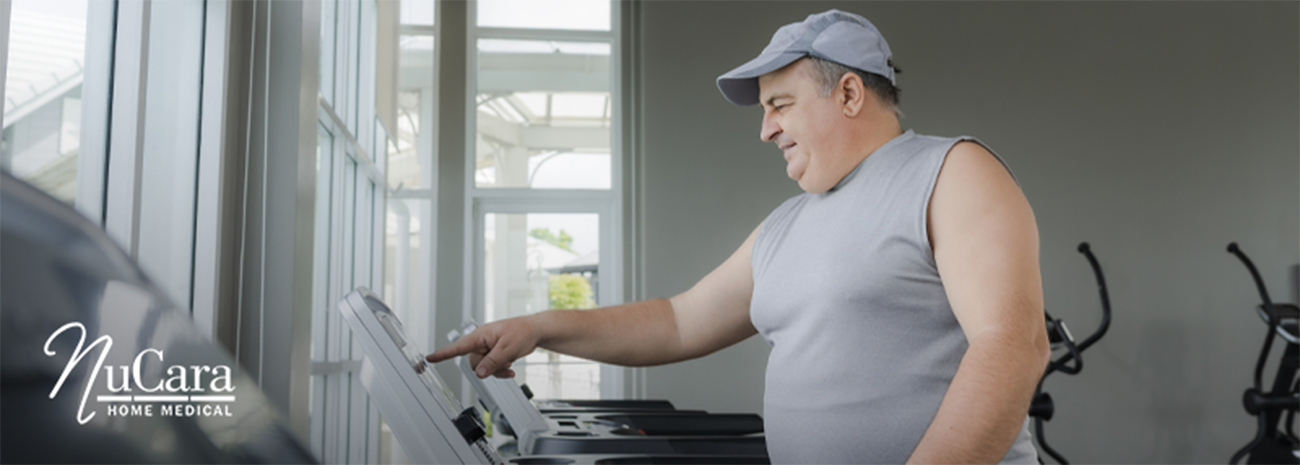
Weight loss comes up often in conversations about sleep apnea. Sometimes it’s framed as a cure. Other times, it’s dismissed as irrelevant once CPAP therapy begins. The reality sits somewhere in between.
Weight can influence sleep apnea severity, but it rarely tells the whole story, and weight loss alone isn’t a reliable solution.
Understanding how weight affects the airway, and how that interacts with CPAP therapy, can help set realistic expectations and avoid disrupting treatment that’s already working.
How Weight Affects Sleep Apnea
Obstructive sleep apnea (OSA) happens when the upper airway narrows or collapses during sleep, blocking airflow. Several factors contribute to this. Body weight is one factor, but there are many others, including airway anatomy, muscle tone, and sleep position.
Extra tissue around the neck and upper airway can increase pressure on the throat, especially when muscles relax during sleep. Fat distribution around the chest and abdomen can also reduce lung volume, making it easier for the airway to collapse. For some people, this combination makes sleep apnea more noticeable and/or more severe.
That said, not everyone with sleep apnea is overweight, and not everyone who loses weight sees the same improvements. Airway structure, tongue position, jaw shape, and nasal resistance often play just as big, if not bigger, role.
Read More: Debunked! 7 Common Sleep Apnea Myths and the Truth Behind Them
Can Weight Loss Reduce Sleep Apnea Severity?
In some cases, weight loss can improve sleep apnea symptoms. Studies show that even modest weight reductions may lower apnea-hypopnea index (AHI) scores or reduce snoring and breathing disruptions during sleep.
Research shows that even modest weight reduction may:
- Lower apnea‑hypopnea index (AHI) scores
- Reduce snoring and breathing interruptions
- Improve airflow during sleep
What weight loss can do for some patients:
- Decrease how often the airway collapses
- Reduce required CPAP pressure levels
- Improve comfort and mask tolerance
What it usually does not do:
- Eliminate sleep apnea entirely
- Remove the need for treatment without reassessment
Sleep apnea is fundamentally a structural condition, not just a metabolic one. Weight loss may alter airway dynamics, but it doesn’t change bone structure or fully retrain airway muscles. That’s why many people continue to need CPAP therapy even after losing a significant amount of weight.
Related: Understanding Your AHI Score: What’s Normal and When to Worry
Why CPAP Is Still Important Even If You’re Losing Weight
One common mistake is assuming CPAP therapy should be paused or discontinued during weight loss. In reality, untreated sleep apnea can make weight management harder by disrupting hormones that regulate hunger, energy, and metabolism.
Poor sleep quality affects:
- Insulin sensitivity
- Cortisol (stress hormone) levels
- Appetite‑regulating hormones like leptin and ghrelin
Using CPAP consistently supports better sleep, which can improve daytime energy, focus, and the ability to stick with healthy routines. In many cases, effective therapy and lifestyle changes work best together, not in competition with each other.
View Our CPAP Products
Weight Changes May Affect Your CPAP Settings
While weight loss doesn’t automatically eliminate sleep apnea, it can change how CPAP therapy feels and functions.
Some changes patients notice:
- CPAP pressure feeling stronger than before
- New or worsening mask leaks
- Increased dryness or nasal discomfort
These signs don’t mean your therapy is failing. More often, they indicate that settings or equipment may need adjustment.
CPAP pressure is prescribed based on your airway needs at the time of titration. When weight, sleeping position, nasal congestion, or muscle tone changes, it may be worth reviewing how therapy is working, especially for patients using fixed‑pressure devices. Auto‑adjusting machines can adapt to some degree, but they also have limits.
Should You Retest After Weight Loss?
A repeat sleep study may be appropriate after significant weight loss, not as a way to “graduate” from CPAP automatically, but to reassess how your sleep apnea presents.
A provider may recommend reassessment if:
- You’ve lost a noticeable amount of weight and symptoms feel different
- CPAP discomfort persists despite proper fit and settings
- Therapy data shows consistent changes over time
Any changes should be guided by a sleep professional, not trial and error. Stopping CPAP too early can allow apnea events to return quietly, even if snoring improves.
Focus on Consistency, Not Perfection
Weight management is complex, and sleep apnea isn’t solved by willpower alone. Progress doesn’t have to be dramatic to be meaningful.
Helpful, realistic approaches include:
- Prioritizing consistent sleep and CPAP use
- Building movement into daily routines
- Focusing on steady habits rather than short‑term results
The goal isn’t to chase a number on the scale. It’s to reduce strain on the airway and support long‑term health without compromising sleep quality.
What This Means for Long-Term Treatment
Sleep apnea typically requires ongoing management. Weight loss may reduce symptom severity, shift therapy needs, or improve comfort, but CPAP remains the most reliable way to protect the airway during sleep.
Think of weight changes as one variable in a larger equation. Patients tend to do best when therapy evolves over time, rather than being abandoned when circumstances change.
Frequently Asked Questions About Weight Loss and Sleep Apnea
Can losing weight cure sleep apnea?
Weight loss can reduce the severity of obstructive sleep apnea for some people, but it does not cure the condition in most cases. Sleep apnea is influenced by airway anatomy, muscle tone, and how the throat behaves during sleep. Even after losing weight, many patients continue to experience airway collapse and benefit from CPAP therapy. Any treatment changes should be guided by a sleep specialist, often with a repeat sleep study.
How much weight do you need to lose to see improvement in sleep apnea?
There is no specific amount that guarantees improvement. Some people see changes with moderate weight loss, while others see little difference even after significant weight loss. The response depends on airway anatomy, fat distribution, and other health factors.
Can sleep apnea make it harder to lose weight?
Yes. Untreated sleep apnea can disrupt hormones that regulate appetite, metabolism, and energy. Poor sleep quality may increase hunger and make maintaining consistent activity levels more difficult. Effective CPAP therapy supports better sleep and may make weight management more sustainable.
If I lose weight, will my CPAP pressure need to change?
Possibly. Weight changes can alter how much pressure is needed to keep the airway open. Some people notice pressure feels too strong, or that mask leaks develop. If therapy feels different, it’s best to have settings reviewed rather than adjusting them yourself.
Should I stop using CPAP after losing weight?
No, not without medical guidance. Even if symptoms like snoring improve, sleep apnea can persist without obvious signs. A sleep study or therapy review is the safest way to determine whether treatment needs have changed.
Does CPAP therapy cause weight gain?
No. CPAP therapy itself does not cause weight gain. Some people notice temporary weight fluctuations when starting therapy, often related to improved hydration or reduced nighttime stress. Over time, better sleep may actually support healthier metabolism and daily routines.
Can CPAP help with weight loss?
CPAP is not a weight loss tool, but it can remove a major barrier: poor sleep. When sleep improves, people often have more daytime energy, better focus, and more stable hunger cues. That can make it easier to follow healthy habits consistently.
Looking at the Bigger Picture
Losing weight can improve sleep apnea for some people, but it rarely eliminates the condition on its own. CPAP therapy remains essential for protecting your airway, even during periods of change.
If your weight, symptoms, or comfort levels have shifted, that’s a conversation worth having — not a reason to stop treatment.
If you have questions about your CPAP settings, mask fit, or therapy performance, the Medicap Home Medical, formerly NuCara Home Medical, team can help you review your options and ensure your treatment continues to support restful, effective sleep both now and in the long run.
Contact us today or visit us at your local store.
Comments