
Medicap Home Medical
Updated 5:17 PM CDT, Thu July 2, 2026
Published Under: CPAP Therapy & Tips Lifestyle & Travel
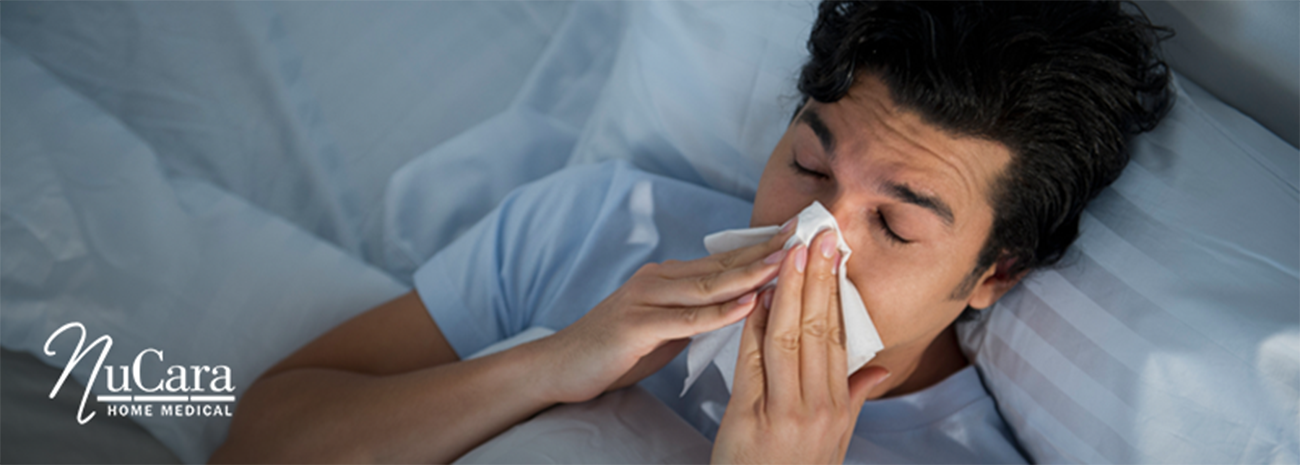
If you’ve been using your CPAP consistently but suddenly wake up feeling stuffed up, congested, or like you can’t breathe through your nose, spring allergies may be the culprit.
Here in Iowa and across the Midwest, allergy season hits hard. And for CPAP users, that mix of pollen, dry indoor air, and pressurized airflow can make nasal congestion feel worse instead of better.
Luckily, this is common and usually fixable.
Let’s walk through why CPAP congestion happens during allergy season and what you can do to actually sleep comfortably again.
Why CPAP Can Make Congestion Worse in the Spring
CPAP therapy itself isn’t the problem, but it can amplify what’s already going on inside your sinuses during allergy season.
During spring:
- Pollen and allergens irritate your nasal passages
- Your body produces more mucus
- Sinuses become inflamed and sensitive
Now add CPAP into the mix:
- Continuous airflow can dry out already sensitive tissues
- Dryness can trigger swelling and even more congestion
- Allergens can build up in filters, tubing, and masks if cleaning slips
This is when people usually start looking for answers to questions like: “why is my CPAP making me congested?”, “is CPAP causing a stuffy nose in spring?”, and “is CPAP causing my allergies to get worse?”
Related: 5 Reasons Why You Still Wake Up Tired with CPAP
Signs Your CPAP Setup May Be Making Things Worse
If allergies are flaring and your CPAP setup needs a small adjustment, you might notice:
- Waking up with a blocked or stuffy nose
- Sinus pressure or mild headaches
- Dry, irritated nasal passages
- Airflow that feels restricted or uncomfortable
- Sneezing or irritation after removing your mask
These are signs that both allergies and CPAP settings may be playing a role, not that CPAP therapy itself is failing.
7 Spring Allergy Tips That Actually Help CPAP Users
These are adjustments Medicap Home Medical, formerly NuCara Home Medical, patients commonly find helpful during allergy season.
1. Replace Your CPAP Filters More Often
Your CPAP filters are your first line of defense against pollen, dust, and airborne allergens. During spring, they fill up faster than you think.
General guideline during allergy season:
- Disposable filters: every 2 weeks
- Reusable filters: every month
- Pollen filters: every 6 months
Cleaner filters mean cleaner air, and less nasal irritation overnight.
View the Full CPAP Supply Replacement Schedule
2. Use Your Humidifier (or Adjust the Setting)
Dry air is one of the biggest triggers for CPAP-related congestion.
Using your humidifier—or increasing the setting slightly—can:
- Soothe irritated nasal passages
- Reduce inflammation
- Make airflow (and your breathing) feel more natural
Read More: The Beginner's Guide to CPAP Humidifiers: Do You Need One?
3. Consider Heated Tubing
If you’re using a humidifier but still feel congested, heated tubing can help keep moisture consistent throughout the night.
It’s especially helpful when:
- Your home air is dry
- You wake up stuffed up but not dripping wet
- You’ve dealt with dryness or condensation (“rainout”)
4. Clean Your CPAP Equipment More Often in Spring
During allergy season, pollen can build up quickly inside CPAP supplies.
Aim for:
- Weekly cleaning with mild soap and water
- Daily quick wipe-down of your mask
Clean equipment = fewer irritants entering your airway.
Read Next: 5 Essential Tips for Cleaning Your CPAP Equipment
5. Check for Mask Leaks
Leaks don’t just affect pressure—they can dry out your nose and make congestion worse.
If your mask:
- Feels loose
- Needs constant adjustment
- Leaves gaps near your cheeks or eyes
…it might be time for a refit or replacement. Mask cushions typically need replacing every 1–2 months.
6. Use a Saline Spray Before Bed
A non‑medicated saline spray before bed can:
- Open nasal passages
- Reduce dryness and irritation
- Help your CPAP airflow feel smoother
It’s one of the simplest, and most effective, changes you can make during allergy season.
7. Keep Allergens Out of Your Bedroom
This one’s easy to overlook, but it makes a big difference.
Helpful habits include:
- Keeping windows closed on high pollen days
- Washing bedding regularly
- Showering before bed to remove allergens from skin and hair
In the Midwest, spring pollen can stick with you all day, bringing it into bed just makes symptoms worse overnight.
When It Might Be More Than Seasonal Allergies
If congestion doesn’t improve with these changes, something else may be contributing.
Check in with a professional if:
- Symptoms last beyond allergy season
- You’re experiencing frequent sinus infections
- CPAP becomes uncomfortable or hard to tolerate
Sometimes the fix is related to equipment fit or replacement timing, not allergies alone.
You Don’t Have to Figure This Out Alone
If your CPAP suddenly feels uncomfortable this time of year, there’s usually a reason, and a solution.
At Medicap Home Medical, we help patients every day with:
- Mask fittings and refits
- Filter and supply replacements
- Humidifier and heated tubing adjustments
- Troubleshooting CPAP comfort issues
Often, something as small as a fresh filter or a different mask cushion makes a noticeable difference.
Find a Medicap Location Near You Today
Answers to Common Questions About CPAP and Spring Allergies
Why does my CPAP make me congested in the spring?
Spring allergens irritate your nasal passages, and CPAP airflow can amplify dryness and inflammation if humidity isn’t adjusted.
Should I stop using CPAP if I’m congested?
No. Continuing therapy is important. Adjusting your setup is safer and more effective than stopping use.
How often should I change CPAP filters during allergy season?
Disposable filters should be changed every 2 weeks, or sooner if visibly dirty.
Does a CPAP humidifier help with congestion?
Yes. Proper humidification helps soothe irritated nasal tissues and reduce dryness‑related congestion.
Can mask leaks cause nasal congestion?
Yes. Leaks increase airflow and dryness, which can worsen irritation and swelling.
Is CPAP congestion dangerous?
No. It’s usually a comfort issue, not a medical emergency, but addressing it helps prevent disrupted sleep.
Can CPAP equipment collect allergens?
Yes. During allergy season, pollen can collect on masks, tubing, and filters if cleaning is inconsistent.
The Bottom Line
Waking up congested while using CPAP in the spring is frustrating, but it’s also very common. And most importantly, it’s fixable.
A few small changes—like replacing filters, adjusting humidity, or refitting a mask—can make a noticeable difference in how you sleep and feel.
If something feels off, it’s worth checking. And if you’re not sure where to start, we’re here to help.
Comments