
Medicap Home Medical
Updated Thu July 2, 2026
Published Under: CPAP Therapy & Tips Sleep Apnea Sleep Health & Therapy
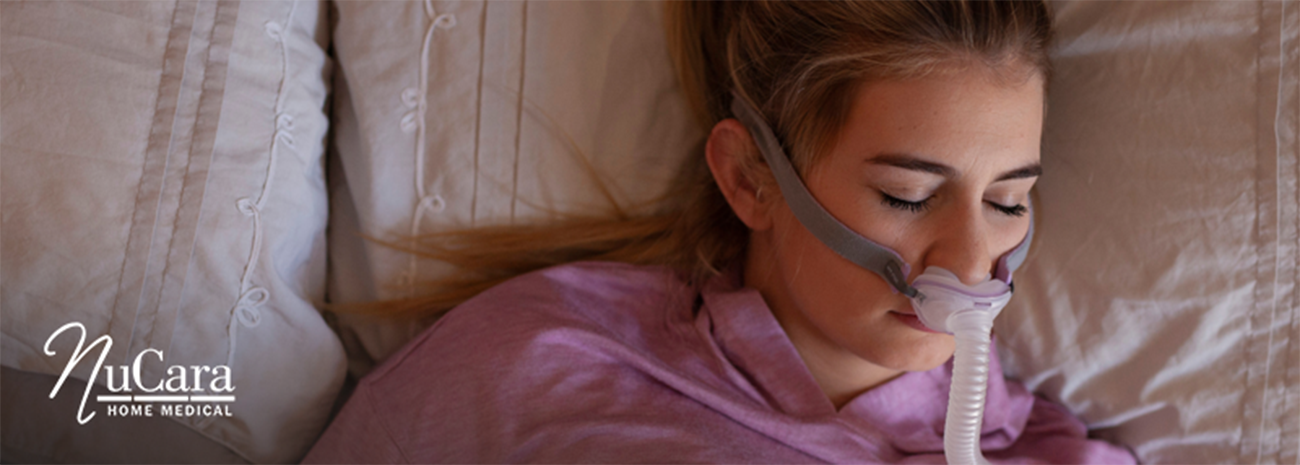
You finally committed to CPAP therapy. You’re wearing your mask, turning the machine on, and sticking with it night after night, but even after all that, someone still tells you you’re snoring. Or maybe you wake yourself up with it.
If that sounds familiar, you’re not alone. During Sleep Awareness Month, it’s worth clearing up a common misconception: using CPAP doesn’t automatically mean snoring disappears overnight or forever.
When snoring continues, it’s usually a sign that something in your setup or routine needs attention, not that CPAP therapy has failed.
Luckily, most reasons people snore with CPAP are fixable. Below, we’ll walk through the most common causes of snoring despite CPAP use and what you can do to get your therapy back on track.
First, Is It Normal to Snore with CPAP?
Short answer: sometimes, yes.
CPAP therapy is designed to keep your airway open, so it doesn’t collapse during sleep. When everything is working as it should, snoring is usually minimal or stops happening altogether.
If you’re still snoring with CPAP, it doesn’t automatically mean the treatment “isn’t working.” More often, it means the airflow isn’t reaching your airway as effectively as it should. Think of snoring as feedback, not failure—as a sign that something may need adjusting.
Read Next: CPAP Side Effects You Shouldn’t Ignore in 2026
Common Reasons You’re Still Snoring with CPAP
1. Your Mask Fit Isn’t Quite Right
Even small mask leaks can reduce the pressure needed to keep your airway open, which can lead to snoring through the CPAP mask.
Signs your mask may be the issue:
- Air blowing into your eyes
- Whistling or hissing sounds
- Red marks or soreness on your face in the morning
- Straps that feel overly tight on your face but still leak air
What helps:
- Check the seal while lying in your usual sleep position
- Avoid overtightening, as this can actually cause more leaks
- Replace worn cushions or headgear on schedule
- Consider a different mask style if your needs or sleep habits have changed (your team at Medical Home Medical, formerly NuCara Home Medical, can help with this!)
A well-fitted CPAP mask should feel secure, not uncomfortable.
Explore Different CPAP Mask Styles
Keep Reading: Is It Time to Replace Your CPAP Mask? 5 Signs You Can't Ignore
2. Mouth Breathing Is Letting Air Escape
If you use a nasal or nasal pillow mask but breathe through your mouth at night, the pressurized air can escape before it has a chance to do its job. This is a very common reason people say, “I use CPAP but still snore.”
You may notice:
- Dry mouth in the morning
- Snoring despite using your CPAP consistently
- Feeling like air is “leaking out” when you sleep
Potential solutions:
- Switching to a full-face mask
- Using a chin strap to keep your mouth closed
- Addressing nasal congestion that forces mouth breathing
Read This to Solve CPAP Dry Mouth: The CPAP Dilemma: Beating Dry Mouth
3. Your Pressure Settings May Need Adjustment
CPAP pressure isn’t always a “set it and forget it” number. Changes in weight, sleep position, medications, or overall health can all affect how much pressure you need.
Snoring with CPAP may happen if:
- Your pressure is too low to fully support your airway
- You’re spending more time sleeping on your back than before
- Your needs have changed since your last sleep study
Important: Never adjust your CPAP pressure on your own. Reach out to your sleep provider so they can review your therapy data and settings safely.
Contact Medicap for Help Adjusting Your CPAP Machine
4. Nasal Congestion Is Getting in the Way
Even with proper CPAP use, allergies, colds, or chronic nasal congestion can limit airflow and contribute to snoring.
Here are some helpful steps you can take:
- Use heated humidification if your air feels dry at home
- Replace CPAP filters regularly
- Keep your nasal passages clear before bedtime
- Talk with your provider if congestion is ongoing
Clear airways make CPAP therapy both more effective and more comfortable.
Learn More About This: The Beginner's Guide to CPAP Humidifiers: Do You Need One?
5. Your CPAP Supplies Are Worn Out
Masks, cushions, tubing, and filters all wear down over time. When they do, leaks increase and therapy effectiveness drops.
Signs it may be time to replace supplies:
- More frequent leaks
- Louder equipment
- Reduced comfort or seal
Staying on top of CPAP supply replacement schedules helps prevent small issues from turning into nightly sleep disruptions.
Order Replacement Supplies Today
Related: CPAP Equipment Checklist for a Better Night’s Sleep in 2026
6. Sleep Position and Lifestyle Factors Matter
CPAP works best when paired with healthy sleep habits.
Snoring may increase if you:
- Sleep flat on your back
- Use alcohol or sedatives before bed
- Have an inconsistent sleep schedule
Simple changes like side sleeping or adjusting your bedtime routine can make a noticeable difference.
Keep Reading: 5 Reasons Why You Still Wake Up Tired with CPAP
Quick Troubleshooting Checklist
If you’re using CPAP consistently but still snoring, ask yourself:
- Has my mask or cushion been replaced recently?
- Am I waking up with a dry mouth?
- Have I gained or lost weight?
- Do I feel air leaking when I move?
- Have my allergies or congestion worsened?
Answering these questions can help narrow down the cause quickly.
FAQs About Snoring and CPAP
Can you still snore while using CPAP?
Yes. Snoring with CPAP is possible if there are mask leaks, mouth breathing, nasal congestion, or pressure settings that need adjustment.
Why am I still snoring even though I use CPAP every night?
Most often, ongoing snoring means the airflow isn’t reaching your airway effectively due to fit issues, mouth breathing, or changing pressure needs, not that CPAP isn’t working.
Can CPAP cause snoring?
CPAP doesn’t cause snoring, but improper mask fit, worn supplies, or incorrect pressure can allow snoring to continue.
Should I stop using CPAP if I’m still snoring?
No. Continue using your CPAP and contact your sleep provider. Stopping therapy can worsen sleep apnea symptoms.
Does snoring mean my sleep apnea is untreated?
Not necessarily. However, regular snoring while using CPAP is a sign your therapy may need fine‑tuning.
Can CPAP stop snoring completely?
For many people, yes—once the mask fit, pressure settings, and breathing patterns are properly adjusted.
A Better Night’s Sleep Starts with Small Fixes
Sleep Awareness Month is a great reminder that quality sleep isn’t just about using CPAP, but about using it effectively. If snoring is keeping you or your partner up at night, it’s usually tied to a solvable issue like mask fit, pressure settings, or worn supplies.
A few small adjustments can make a big difference in how well you sleep and how rested you feel in the morning.
If you’re unsure where to start, the Medicap team is here to help you review your setup, answer questions, and find solutions that fit your needs so you can breathe easier and sleep more quietly, night after night.
Comments