
Medicap Home Medical
Updated Thu July 2, 2026
Published Under: CPAP Therapy & Tips PAP Supplies
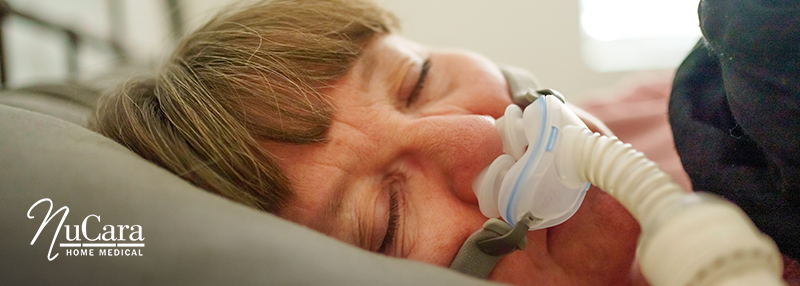
A new year is a natural reset point, and the perfect time to refresh and re-evaluate your CPAP therapy. Whether you’re a few months into treatment or you’ve been using CPAP for years, your equipment needs regular attention to stay comfortable, effective, and frustration-free.
This quick, practical CPAP checklist will help you identify worn-out CPAP supplies, replace what’s no longer working, optimize your comfort and air quality, and help you start 2026 with better sleep and fewer disruptions.
Table of Contents
- Review Your Cleaning Routine
- Stock Up on Replacement Supplies
- Plan Ahead for Travel or Schedule Changes
- FAQs About Replacing and Maintaining CPAP Equipment
- Start the Year Confident in Your CPAP Therapy
Start with the Essentials: What Every CPAP User Should Review
1. CPAP Mask & Cushion
Your CPAP mask is the part of your setup that affects comfort the most. Over time, mask cushions stretch, seals break down, and oils from your skin change how well the mask fits. And if it’s uncomfortable or leaking, your sleep quality will suffer.
Check for:
- Air leaks when changing positions
- Red marks or skin irritation
- Loose or stretched-out cushions
- Needing frequent nighttime readjustments
If your mask has been “just okay,” this is a great time to try a new style. Medicap Home Medical, formerly NuCara Home Medical, carries nasal, nasal pillow, and full-face masks, even a small change can dramatically boost comfort.
Replacement schedule: Mask cushions should typically be replaced every 1–2 months.
2. Headgear & Straps
Elastic CPAP headgear stretches over time, which can cause leaks and discomfort.
Replace your headgear if you notice:
- Constant slipping or movement
- Over-tightening just to maintain a seal
- Straps that feel stiff or scratchy
New headgear can make your whole setup feel brand new again.
Replacement schedule: Headgear should be replaced about every 6 months.
3. Tubing (Standard or Heated)
Your CPAP tubing delivers consistent airflow from the machine to your mask. If it’s damaged or dirty, you may feel inconsistent pressure or dryness.
Inspect for:
- Cracks or hard spots
- Discoloration or buildup inside
- Lingering moisture
If you often wake up with a dry throat or congestion, heated tubing can make a noticeable difference.
Replacement schedule: Tubing should be replaced every 3 months.
4. Filters
Filters protect your airway, and your device, from dust, dander, and allergens. They also have a direct impact on the quality of the air you’re breathing.
Check your filters for:
- Gray, dusty, or clogged filters
- Reduced airflow or strange smells
- Unchanged filters for longer than a month
Set a calendar reminder to change your filters regularly. This small step can have a big impact on comfort and cleanliness.
Replacement schedule:
- Disposable filters: Every 2 weeks
- Reusable filters: Every month
5. Humidifier Water Chamber
The humidifier keeps air moist to prevent dryness and irritation, but only if the water chamber is clean and intact.
Check for:
- Cloudy appearance
- Cracks or leaks
- Mineral buildup
Use distilled water daily, and clean your chamber weekly to prevent buildup and extend its life.
Replacement schedule: Replace your humidifier chamber every 6 months.
6. CPAP Machine Performance Check
Your CPAP machine works every night, but when’s the last time you checked its performance?
Signs your machine needs attention:
- It’s louder than usual
- Airflow feels weak or inconsistent
- You see error codes or flashing lights
- It’s more than 5 years old
If your machine is outdated or not working properly, talk to your provider about a replacement. Medicare and most insurance plans will cover a new machine every 5 years with updated documentation. Have questions about insurance? Medicap's team is here to help you wade through the confusion. Contact us today for help with CPAP-related insurance questions.
Review Your Cleaning Routine
The holidays are busy, and cleaning routines often take a back seat. But starting the year with fresh habits can help you stay healthy and avoid common CPAP side effects like congestion, sore throat, and irritation.
Weekly CPAP Cleaning Checklist:
- Wash mask, tubing, and water chamber with warm water and mild soap
- Rinse thoroughly and let air dry
- Wipe down the outside of your machine
- Replace filters on schedule
Keep travel-sized cleaning wipes or sprays on hand for convenience.
Stock Up on Essentials Now (Before You Need Them)
Don’t wait until your mask breaks or your filter is overdue. Having extra supplies ready to go makes staying on track so much easier.
Keep backups of:
- Mask cushions or nasal pillows
- Disposable filters
- Travel-sized CPAP wipes
- Tubing
- Saline spray or humidifier cleaning tablets
You may be eligible for regular supply shipments through insurance. Ask us how!
Ask About Regular CPAP Resupply Shipments Through Insurance
Plan Ahead for Travel or Lifestyle Changes
New job? More travel on the calendar? Don’t let your CPAP routine get disrupted.
Ask yourself:
- Do I have a travel-sized CPAP or a backup battery?
- Is my mask easy to pack?
- Do I need extra filters or wipes for the road?
Medicap offers portable CPAP options, travel accessories, and personalized advice for staying consistent, even on the go.
Related: 7 Smart Tips for Traveling with Your CPAP for the First Time
CPAP Therapy FAQs for the New Year
How often should I replace my CPAP mask and supplies?
It depends on the part, but general guidelines are:
- Mask cushions: Every 1–2 months
- Disposable filters: Every 2 weeks
- Reusable filters: Every month
- Tubing: Every 3 months
- Headgear and chinstraps: Every 6 months
- Water chamber: Every 6 months
Check with your insurance, as many plans cover routine replacements on this schedule.
How do I know if it’s time to replace my CPAP equipment?
Look for signs like air leaks, dryness, irritation, machine noise, or reduced comfort. If you’re adjusting your mask frequently or waking up tired, it may be time for new parts.
Can I clean my CPAP with vinegar or soap and water?
Yes. Use mild soap and warm water for weekly cleaning. Some people also use a 1:3 vinegar-to-water solution to soak parts and remove mineral buildup. Always rinse thoroughly and let everything air dry.
Is heated tubing better for CPAP?
Heated tubing can help reduce dryness, congestion, and condensation (“rainout”), especially during colder months. If you often wake up stuffy or dry, switching to heated tubing may help.
Should I still use CPAP when I have a cold or the flu?
Yes, in most cases you should continue using your CPAP machine. It can actually help you breathe more easily at night. Be sure to clean your equipment daily while you’re sick and replace your filters afterward.
What’s the best CPAP machine to travel with?
Travel CPAP machines like the ResMed AirMini™ are compact, FAA-approved, and easy to pack. Ask your Medicap team about portable options that fit your lifestyle and prescription.
Can Medicap help me get new CPAP supplies?
Absolutely! We can help you reorder masks, filters, tubing, and more, and in many cases, it’s covered by insurance. Contact your nearest Medicap location.
Start the Year Sleeping Better
Better sleep doesn’t require a brand-new setup, but it does require a well-maintained one. By reviewing your CPAP equipment now, you can prevent problems before they start and give yourself the best shot at consistent, comfortable therapy all year long.
If you have questions about replacements, fit, or what supplies you need, Medicap Home Medical is here to help you start 2026 with your best sleep yet. Contact our team today or visit a Medicap location near you.
Comments