
Medicap Home Medical
Updated Thu July 2, 2026
Published Under: CPAP Therapy & Tips
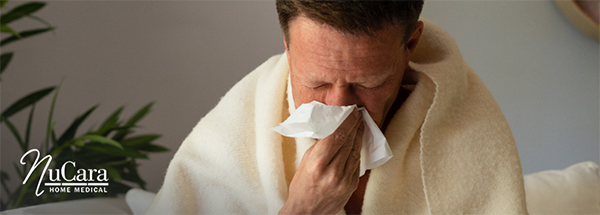
When the calendar flips into December, the cold and flu bugs start going around, and if you’re using a CPAP or BiLevel machine for sleep apnea, you might suddenly feel extra worried. “Can I still use my machine when I’m congested or coughing?” “What about cleaning my mask or replacing filters after I’ve been sick?” These are real questions many users ask, so let’s talk about them.
At Medicap Home Medical, formerly NuCara Home Medical, we want you to be confident using your therapy even when you’re under the weather. Below are practical tips, expert‑backed advice, and parts where you can ask for help.
1. Should You Still Use Your CPAP When You’re Sick?
Short answer: In most cases, yes, you should keep using your CPAP when you’re sick. Stopping therapy often leads to more fatigue, worse oxygen drops, and disrupted breathing.
When it’s usually okay:
- You have a mild cold or flu: congestion, sore throat, runny nose
- You can tolerate your mask and the pressure feels manageable
- You’re not experiencing severe symptoms such as shortness of breath, extremely high fever, or vomiting
When you should pause or call your doctor:
- You have fever and persistent cough, or you’re diagnosed with something serious like pneumonia
- You’re vomiting or cannot tolerate the mask at all
- You’ve been advised by a healthcare provider to stop for a moment
Why continuing therapy matters:
Using CPAP helps keep your airway open, improves oxygen delivery, and supports your body when it’s trying to fight infection and recover. Skipping therapy could make you feel worse, prolong recovery, or increase risk of complications.
Related: Skipping CPAP Therapy? Here's What Can Happen
2. How CPAP Might Actually Help You Recover
Here are some ways in which using your CPAP while sick can support recovery, not just maintain your usual therapy.
- Keeps your airway open — when you’re congested, your airway may be narrower and more prone to collapses. CPAP assists.
- Improves oxygen levels during sleep — when your body’s working harder to fight infection, good overnight oxygen matters.
- Reduces risk of complications — consistent therapy may reduce the chance of further respiratory issues or hospitalizations.
- Supports better sleep quality — getting more uninterrupted, restful sleep helps your immune system do its job.
Even though being sick often means lower quality sleep anyway, the goal is to not let sleep apnea get worse because of skipped nights.
3. What to Do When Your Nose Is Stuffy or You’re Congested
Congestion is one of the biggest hurdles for CPAP users. It makes mask fit harder, triggers mouth breathing, and can reduce comfort. Here are helpful steps:
- Use a heated humidifier — Moist air helps ease nasal irritation or throat dryness. It also can reduce discomfort with therapy.
- Consider switching to a full‑face mask — If you breathe through your mouth when congested, a nasal mask may not be sufficient. Full‑face masks help maintain pressure even if your mouth opens.
- Try saline nasal spray or rinse before bed — Helps clear your nasal passages.
- Elevate your head — Prop up with an extra pillow or use an adjustable bed: gravity helps drainage and opens air passages.
- Monitor pressure settings or features — Use ramp settings, or talk to your provider about whether changes are needed while you’re sick.
- Stay hydrated — Fluids help thin mucus and make breathing easier; also keep your throat from drying out.
If you still feel you cannot breathe comfortably with your mask due to extreme congestion, talk to your provider, but don’t assume you must stop therapy altogether.
Order New CPAP Supplies Online
4. Cleaning Your CPAP Machine After Illness
When you’ve been sick, cleaning your therapy equipment becomes especially important. Germs can linger in your mask, tubing, and humidifier chamber.
Clean‑Up Checklist:
- Daily during illness: Remove mask and tubing. Wash the mask cushion with warm water and mild soap. Rinse and air dry.
- After illness:
- Empty and wash humidifier chamber.
- Remove and clean tubing (if reusable). Wipe inside if visible debris.
- Replace filters if recommended.
- Inspect for visible wear or damage (cracks, discoloration).
- Let every part dry completely before reassembly.
- Consider a CPAP sanitizer or UV cleaning kit if you’re prone to infections or live with others who were ill.
Keeping your equipment clean helps insure that your therapy is effective and reduces the risk of secondary infections.
Read More: 5 Essential Tips for Cleaning Your CPAP Equipment
5. When to Replace Filters, Accessories & Supplies Post‑Illness
Getting sick can speed up the wear or contamination of your mask, tubing, filters, and humidifier. Here’s when to consider replacement:
- Disposable filters — Replace immediately after illness.
- Mask cushions/headgear — If you sneezed or coughed into the mask, or if the fit has shifted.
- Humidifier chamber — Replace if it has water stains, cracks, or persistent odors.
- Tubing — If it’s cloudy, stiff, or you blew mucus or fluids through it.
- Backup supplies — Keep spares on hand (mask, cushion, filters) so you don’t miss therapy nights.
- Machine itself — Generally every 5 years or as recommended; if you were sick and your machine was heavily used or exposed to infection, talk to your provider about inspection.
At Medicap Home Medical, we carry a full line of masks, filters, hygiene supplies, and support to help you keep your therapy productive and comfortable.
Read Next: Full CPAP & BiLevel Resupply Schedule
6. Travel & Holiday Sickness Precautions with Your CPAP
The holidays and winter travel bring extra risk of sickness, and extra challenges for CPAP therapy.
Travel Tips:
- Pack a cleaning kit: travel wipes, distilled water, extra filters.
- Keep your machine safe: in a carry‑on if flying; bring your prescription or machine details.
- Choose a full‑face mask or nasal mask accordingly if you expect allergies or stuffiness.
- Use a portable battery or travel adapter — if you’re staying somewhere unfamiliar.
- Stay on schedule: Even when routines shift, aim to keep your therapy consistent.
- Avoid using your machine while visibly ill in communal settings (e.g., shared hotel rooms) without cleaning equipment thoroughly first.
Being proactive ensures that holiday travel doesn’t derail your CPAP therapy.
7. When to Reach Out to Your Provider or Medicap
You should contact your doctor or a Medicap specialist if:
- Your congestion or cough lasts more than a week and you’re struggling to use your mask.
- Your AHI or therapy data show unusually high leak rates, hypopneas, or apneas.
- You don’t feel better after several sick nights, and therapy seems less effective.
- You’re unsure about how to clean or replace supplies.
Medicap’s team is here year‑round to help you figure out the right mask fit, humidifier settings, cleaning routine, or travel gear.
YOUR SLEEP MATTERS, Especially WHEN You’re Sick
Getting sick sucks and there’s no question about it. But using CPAP while you’re sick doesn’t mean you’re making things harder. In many cases, it means you’re supporting your body and keeping your sleep therapy on track.
Here’s what you can do right now:
- Keep using your machine unless your doctor says otherwise.
- Adjust your mask or humidifier to match your current condition.
- Clean your equipment thoroughly and consider replacements if needed.
- Stay on top of therapy even while traveling or during holidays.
At Medicap Home Medical, we’re proud to be your local partner in sleep health, not just the equipment side, but helping you stay comfortable, confident, and supported through every season.
Check Out Our CPAP Supplies & Support Services Call Us Toll-Free at 1-800-260-1186
Comments