
Medicap Home Medical
Updated 5:12 PM CDT, Thu July 2, 2026
Published Under: Sleep Health & Therapy
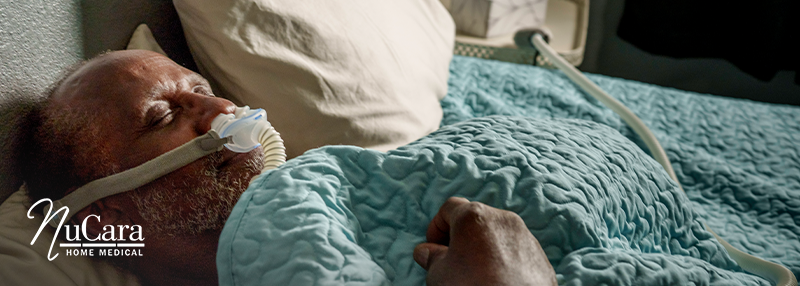
If you’ve recently been diagnosed with sleep apnea or started CPAP therapy, you may have seen a number called the AHI on your device or sleep study report. But what exactly is AHI, and what does it mean for your sleep and health?
Let’s break it down in real terms, no complicated jargon, no scare tactics, just the facts, with a few real-life tips to help you feel more confident about your therapy.
What Does AHI Mean?
AHI stands for Apnea-Hypopnea Index, and it’s a key number used to measure the severity of sleep apnea. It represents the average number of times per hour that your breathing was either completely stopped (apnea) or partially blocked (hypopnea) during sleep.
AHI = Apneas + Hypopneas ÷ Hours of Sleep
For example, if you had 40 apneas and hypopneas over 8 hours of sleep, your AHI would be 5.
AHI Score Ranges: What’s Considered Normal?
Here’s a quick breakdown of what different AHI scores usually mean:
| AHI Score | Classification |
|---|---|
| Less than 5 | Normal (or well-controlled) |
| 5–15 | Mild sleep apnea |
| 15–30 | Moderate sleep apnea |
| Over 30 | Severe sleep apnea |
If you’re using a CPAP machine and your AHI is below 5, that typically means your therapy is working well.
Why Your AHI Score Matters
AHI isn’t just a number; it’s a reflection of how well your airway stays open during the night. A high AHI means frequent disruptions in your sleep, which can lead to:
- Daytime fatigue or brain fog
- Increased risk of high blood pressure and heart disease
- Mood changes or depression
- Poor focus and memory issues
- Dangerous drowsy driving incidents
Keeping your AHI low is about better overall health and safety.
What Causes a High AHI?
If your AHI is higher than expected, it might be due to a few common issues:
1. Mask Leaks or Improper Fit
If your mask isn’t sealing well, it can affect pressure delivery and allow apnea events to occur.
2. Wrong Pressure Settings
Too low and your airway may not stay open. Too high and it could cause central apneas.
3. Sleeping on Your Back
This position can worsen airway obstruction in some people with obstructive sleep apnea.
4. Alcohol or Sedative Use
These can relax your airway muscles too much, increasing the risk of breathing interruptions.
5. Poor CPAP Adherence
Skipping nights or removing your mask mid-sleep prevents consistent therapy.
What Can You Do If Your AHI Is Too High?
The good news is that most CPAP-related AHI issues can be fixed with small adjustments:
Check Your Mask Fit
Leaks are one of the top reasons AHI stays high even when you’re using your machine. Try adjusting the straps or switching to a different mask style.
Review Your Sleep Position
If you sleep on your back, try switching to your side. Some users even find “tennis ball shirts” helpful for avoiding supine sleep.
Talk to Your Sleep Specialist
Never change pressure settings on your own. A respiratory therapist or sleep doctor can safely review your data and make appropriate adjustments.
Replace Old Equipment
Worn-out cushions, filters, or tubing can reduce therapy effectiveness. See Medicap Home Medical's, formerly NuCara Home Medical's, CPAP Replacement Schedule for what to replace and when.
Track Your Data
Many modern CPAP machines offer apps or downloadable reports that track your AHI and usage over time. Monitoring your numbers can help you see patterns and know when something’s off.
What’s More Important — One Night or Long-Term Trends?
Here’s a common worry: “My AHI was 7 last night. Does that mean my CPAP is failing?”
Not necessarily. AHI can vary slightly from night to night depending on:
- Sleep position
- Cold or allergy symptoms
- Sleep quality or stress
- Alcohol or medication use
Look for patterns. If your AHI is creeping up consistently for several days or weeks, that’s when it’s worth investigating.
What’s a “Good” AHI for CPAP Users?
For people with diagnosed sleep apnea, the goal of CPAP therapy is usually to reduce AHI to under 5 events per hour. But even an AHI between 5 and 10 may be acceptable in some cases, depending on:
- How rested you feel
- Presence of other symptoms
- Medical history
In short: It’s not just about the number, rather it’s about how you’re sleeping and how you feel during the day.
When to Call Your Provider
Contact your Medicap team or sleep specialist if:
- Your AHI is consistently above 10 despite nightly use
- You feel tired even with low AHI scores
- You’re having trouble tolerating your pressure
- You notice central apneas (your machine may label these)
- You’re unsure whether your machine is tracking AHI accurately
We’re here to help you sort through the noise and find solutions that work.
Common Questions About AHI
What’s the difference between AHI and RDI?
RDI (Respiratory Disturbance Index) includes apneas, hypopneas, and other breathing disruptions like arousals, so it may be slightly higher than AHI.
Can my CPAP machine show a false AHI reading?
Sometimes, yes. Mask leaks or improperly worn equipment can lead to inaccurate readings. Consistent trends are more important than a single night’s data.
How often should I check my AHI?
Once a week is a good rule of thumb. Many users track their AHI through apps like myAir™ (ResMed) or DreamMapper™ (Philips Respironics).
Does a low AHI mean my sleep apnea is cured?
Not quite. AHI below 5 means your therapy is working, but if you stop using your CPAP, symptoms are likely to return.
We're Here to Help
Learning the ins and outs of your AHI score can feel like a lot, especially when you’re just trying to get some sleep. But understanding your numbers gives you more control, not more stress.
And you’re not in this alone — Medicap Home Medical is here to help you interpret your data, troubleshoot your equipment, and feel confident that your CPAP therapy is actually helping you sleep better.
If you’re unsure about your current setup or AHI readings, don’t guess. Contact us today or stop by your local Medicap location. We’ll help you take a deep breath and rest easy.
Comments