
Medicap Home Medical
Updated Thu July 2, 2026
Published Under: CPAP Therapy & Tips
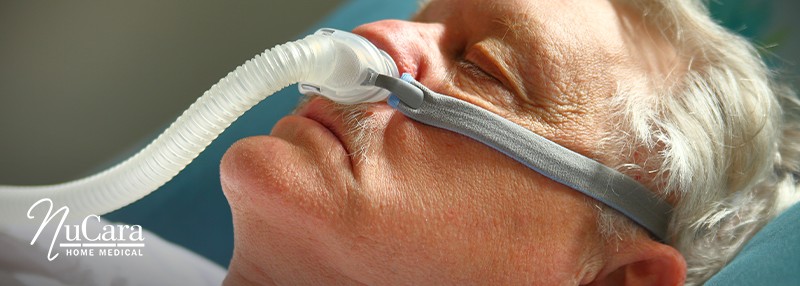
If you’re new to CPAP therapy, the first few weeks can feel equally hopeful and overwhelming. You want better sleep, but what if the mask feels uncomfortable, the air feels too strong, or you’re waking up more tired than before? The truth is that small CPAP issues can make a big difference in how rested you feel.
The good news: most of these small CPAP issues are easy to fix.
This guide will help you troubleshoot common problems, fine‑tune your setup, and start 2026 feeling more confident and rested than ever.
Table of Contents
- A Comfortable Mask Makes All the Difference
- Is Your Airflow Too Strong, Too Weak, or Just Off?
- Your CPAP Shouldn’t Make You Feel Dry, Congested, or Irritated
- Small Setup Issues Can Lead to Big Sleep Problems
- Replace Supplies Before They Slow You Down
- Sticking With CPAP Does Get Easier
- FAQs About CPAP Setup and Sleep Comfort
1. Your Mask Fit Might Be the Real Sleep Disrupter
Your mask is the heart of your CPAP therapy. If it doesn’t feel right, your sleep won’t either.
Signs Your Mask Isn’t Helping You Sleep:
- You wake up with air blowing into your eyes
- You notice red marks or irritation on your face
- You’re constantly tightening the straps to stop leaks
- You wake up multiple times a night to readjust it
Quick Fixes:
- Try a different mask style: There’s no one-size-fits-all. You may sleep better with a nasal pillow, a full-face mask, or a hybrid. Don’t hesitate to ask your provider to help you test different options.
- Replace the cushion: Mask cushions naturally wear out and lose their seal. If it’s been more than 1–2 months, it may be time to replace it.
- Loosen the straps: Overtightening can cause more leaks, not fewer, and leave painful pressure marks. A properly fitting mask should feel snug but not tight.
Keep Reading: Is It Time to Replace Your CPAP Mask? 5 Signs You Can't Ignore
2. Air Pressure Issues? It Might Be a Setting or Symptom
If the airflow from your machine feels too strong, too weak, or uncomfortable when you try to fall asleep, don’t just tough it out.
Common Pressure-Related Complaints:
- “The air feels like a wind tunnel when I turn it on.”
- “I feel like I can’t exhale or catch my breath.”
- “I wake up with dry mouth or throat.”
Quick Fixes:
- Use the ramp feature: This setting starts at a lower pressure and gradually increases as you fall asleep. Many new CPAP users find this makes bedtime much more comfortable.
- Talk to your provider about pressure settings: Don’t self-adjust. Your respiratory therapist can safely modify settings to improve your comfort and therapy success.
- Adjust your humidifier: If the air feels dry or harsh, it could be a humidity issue, not just pressure.
Related: The Beginner's Guide to CPAP Humidifiers: Do You Need One?
3. Feeling Dry, Stuffy, or Congested? Here’s What Helps
Waking up with a dry mouth, nasal congestion, or sore throat? These are common complaints that often lead users to give up, especially in winter.
Quick Fixes:
- Turn up the humidifier setting: Dry winter air + CPAP = dry nasal passages. More humidity can make therapy feel gentler.
- Use heated tubing: It helps prevent condensation buildup (aka “rainout”) and maintains warm, comfortable airflow.
- Try saline spray before bed: It can reduce irritation and support nasal moisture naturally.
- Check and replace your filter: A dirty or clogged filter can worsen air quality and congestion.
4. Don’t Overlook These Setup Details
Sometimes it’s not the mask or the pressure, but the little things around your setup that can throw off your therapy.
Small Changes That Make a Big Difference:
- Check your tubing position: If it’s pulling on your mask during the night, try a hose lift or clip, or route it over your headboard.
- Elevate your machine: Place it on a flat, stable surface that’s close to your bed, but slightly below head level to avoid condensation.
- Refill the water chamber nightly: Low water can lead to dry air or even a burning sensation.
- Watch your room’s humidity: A dry room can sabotage your humidifier’s effectiveness. Consider a room humidifier if needed.
These small adjustments can dramatically improve your ability to be consistent with your CPAP therapy, especially during your first 30 days.
Read Next: 5 Reasons Why You Still Wake Up Tired with CPAP
5. Replace Worn Supplies on Schedule
Even if everything feels fine, old parts can quietly sabotage your sleep. Replacing supplies regularly helps maintain comfort, cleanliness, and therapy effectiveness.
Recommended CPAP Supply Replacement Timeline:
| CPAP Component | Replacement Frequency |
|---|---|
| Mask cushions | Every 1–2 months |
| Disposable filters | Every 2 weeks |
| Reusable filters | Every month |
| Tubing | Every 3 months |
| Headgear | Every 6 months |
| Humidifier chamber | Every 6 months |
Need a replacement reminder? Medicap can help you set up regular shipments so you always have fresh supplies.
Replace Your CPAP Supplies Easily with Medicap
6. Sticking With It Gets Easier
It’s completely normal to have some frustrations during your first few weeks, or even months, of CPAP therapy. But discomfort doesn’t mean it isn’t working. It just means your setup needs fine-tuning.
The fix is often simpler than you think. A new cushion. A humidity tweak. A mask style that finally feels right.
And the payoff? Better sleep. More energy. Fewer apnea events. A lower risk of serious health issues like high blood pressure, stroke, or heart disease.
Medicap Is Here to Help You Every Step of the Way
Our team of respiratory specialists can help you:
- Troubleshoot common comfort issues
- Find the right mask for your sleep style
- Replace parts and supplies when you need them
- Stay motivated with support that meets you where you are
Whether you’re just starting CPAP or getting back on track in 2026, Medicap Home Medical is here to make your journey smoother, easier, and more successful.
Frequently Asked Questions About CPAP Comfort & Setup
How often should I replace my CPAP mask cushion?
Most mask cushions need to be replaced every 1 to 2 months. A worn-out cushion can lead to air leaks, poor seal, and skin irritation. If you’re noticing more mask leaks or waking up with red marks, it may be time to swap it out.
Why is my CPAP mask leaking at night?
Leaks usually happen when your mask doesn’t fit correctly or the cushion has worn down. Over-tightening straps can actually make it worse. Try adjusting the fit or ask your provider about trying a different mask style.
Can I adjust my CPAP pressure settings on my own?
No — you should never change your pressure settings without guidance. Talk to your sleep provider or respiratory therapist first. They can safely adjust your settings based on your sleep data and comfort.
What helps with dry mouth while using CPAP?
Dry mouth is often caused by mouth breathing. Try adding a heated humidifier, switching to a full-face mask, or using a chin strap to keep your mouth closed during sleep. Increasing humidity settings can also help.
Find more helpful tips here: The CPAP Dilemma: Beating Dry Mouth
Is heated tubing worth it for CPAP users?
Yes — heated tubing can make therapy more comfortable, especially during winter. It helps prevent dryness and “rainout” (water droplets in the tube), keeping the airflow warm and consistent.
Read more about rainout: Waking Up to Water in Your CPAP Mask? Here’s What to Do
How do I know if my CPAP machine is making me more tired instead of helping?
If you’re waking up tired, experiencing dryness, or dealing with leaks, your equipment may need adjustments. Most comfort issues can be solved with small changes to mask fit, humidification, or pressure settings.
Can I use saline spray with my CPAP?
Yes! A saline nasal spray before bed can ease congestion, reduce dryness, and help create a better seal with your nasal mask or pillows. Just make sure to use one that’s labeled for daily or nighttime use.
What should I do if my CPAP still feels uncomfortable after a few weeks?
CPAP therapy has a learning curve, but discomfort doesn’t mean it’s not working. Reach out to your Medicap respiratory team — they can help troubleshoot, swap out equipment, and make adjustments to get you back on track.
How often should I replace CPAP filters and tubing?
According to typical replacement schedules:
- Filters: Replace disposable filters every 2 weeks and reusable ones monthly.
- Tubing: Replace tubing every 3 months or sooner if you notice discoloration or odor.
Keeping your equipment clean and current improves both comfort and effectiveness.
Where can I get help with my CPAP setup or supplies?
Your local Medicap Home Medical team is here to help! Whether you need new supplies, a better-fitting mask, or guidance on pressure settings, we’re your partner in better sleep.
Need Help? Let’s Fix It Together.
If you’re not sleeping as well as you’d hoped, don’t wait. Contact your local Medicap team or place a CPAP resupply request for expert support, replacement parts, and personalized care.
You deserve sleep that restores, not frustrates. Let’s help you breathe easier, one small fix at a time.
Comments