
Medicap Home Medical
Updated 5:16 PM CDT, Thu July 2, 2026
Published Under: CPAP Therapy & Tips Maintenance & Cleaning
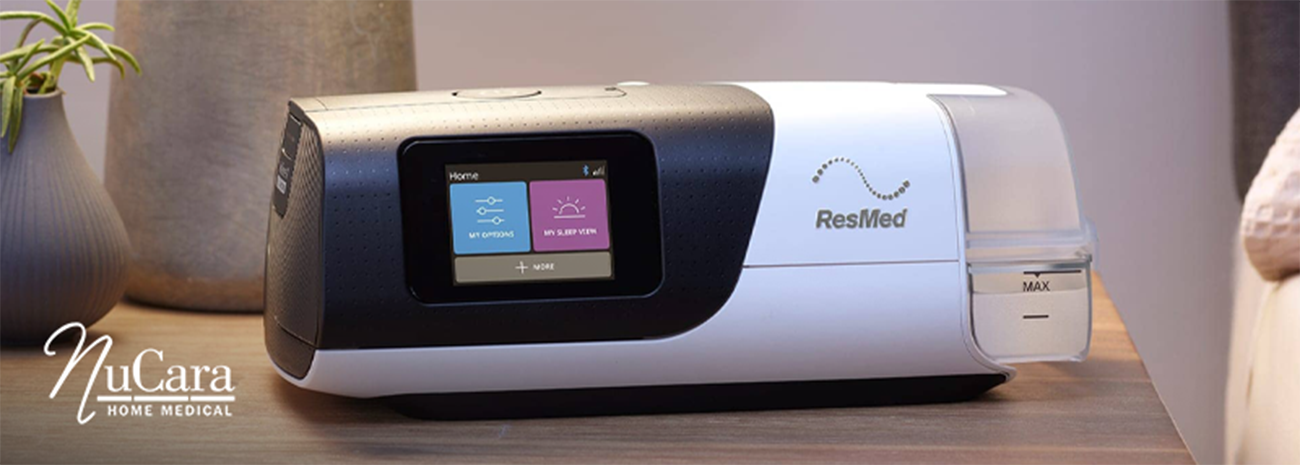
If you’ve ever woken up, checked your CPAP machine, and noticed your humidifier chamber is completely empty, you might be wondering: “Why is my CPAP humidifier running out of water overnight? Is something wrong?”
In many cases, this is completely normal.But there are a few situations where it’s worth taking a closer look. Let’s walk through what’s happening, and what you can do if it’s affecting your comfort.
Is It Normal for a CPAP Humidifier to Run Out of Water Overnight?
Yes—it can be totally normal for your CPAP water chamber to be empty in the morning, especially if you’re using your machine all night.
Your CPAP humidifier is designed to add moisture to the air you breathe. If you’re getting a full night of therapy (which is great), your machine is working continuously for 6–8+ hours. That can use up the water in the chamber.
If you’re sleeping well and not waking up dry or uncomfortable, an empty chamber isn’t necessarily a problem.
Read More: The Beginner's Guide to CPAP Humidifiers: Do You Need One?
What Causes a CPAP Humidifier to Use So Much Water?
If your CPAP humidifier is running out of water every night, it usually comes down to a few common factors.
1. Higher Humidity Settings
The higher your humidity level, the more moisture your machine adds to the air, and the faster it uses water.
This is especially common in:
- Winter months
- Homes with dry air
- Patients dealing with congestion or dryness
Higher comfort often means higher water usage.
2. Dry Air in Your Home
Here in Iowa and the Midwest, indoor air can get very dry, especially with heating or air conditioning running.
Dry air pulls more moisture from the humidifier, which means your CPAP machine compensates by using more water to keep your airway comfortable.
3. CPAP Mask Leaks
If your mask isn’t sealing properly, air escapes, and your machine has to work harder to maintain pressure.
That means:
- More airflow
- More evaporation
- More water used overnight
If your CPAP water chamber is empty and you’re also noticing air leaks, dry eyes, or noisy airflow, a poor mask seal may be part of the issue.
4. Sleeping Longer (Which Is a Good Thing)
More hours of CPAP use means more time for water to evaporate.
If you’re consistently sleeping longer and using your CPAP the entire night, your machine is simply doing its job, using water steadily to maintain humidification.
5. Heated Tubing Settings
Heated tubing helps prevent condensation (sometimes called “rainout”), but higher tubing temperatures can also increase evaporation inside the humidifier chamber.
A warmer system = more moisture released into the air.
Related: Waking Up to Water in Your CPAP Mask? Here’s What to Do
When Running Out of Water Might Be a Problem
Most of the time, running out of water overnight isn’t an issue. But it’s worth paying attention if you notice a sudden change or new discomfort.
You may want to adjust something if you’re experiencing:
- Waking up with a very dry mouth or throat
- Burning or irritation in your nose
- Water running out early in the night
- A noticeable increase in water usage compared to usual
Running out of water won’t harm your CPAP machine, but ongoing dryness can affect comfort and make therapy harder to stick with.
How to Stop Your CPAP Humidifier from Running Dry
If your CPAP is using too much water—or it’s affecting your sleep—these simple changes can help.
1. Lower Your Humidity Setting Slightly
Even a small adjustment can reduce water usage without sacrificing comfort.
2. Check for Mask Leaks
If your mask cushion is worn or your fit is off, it can lead to excess airflow and water loss. Most mask cushions should be replaced every 1–2 months.
See Next: CPAP Supply Recommended Replacement Schedule
3. Fill to the Max Line Each Night
It sounds simple, but starting with a full chamber ensures you’re getting consistent humidity.
4. Adjust Heated Tubing Settings
If you’re using heated tubing, make sure the temperature isn’t set higher than needed.
5. Consider Your Room Environment
If your home air is especially dry, a room humidifier can help reduce the load on your CPAP humidifier.
Don’t Overlook Your Equipment
Sometimes the issue isn’t your settings—it’s your supplies. Worn-out equipment can make your CPAP less efficient, which may increase water usage and reduce comfort.
General Replacement Guidelines:
- Mask cushions: every 1–2 months
- Tubing: every 3 months
- Filters: every 2 weeks (disposable) or every 6 months (pollen filters)
- Humidifier chamber: every 6 months
If you’re unsure what needs replacing, Medicap Home Medical, formerly NuCara Home Medical, can help you take a look and get you what you need.
Contact Medicap for Help Replacing CPAP Supplies
We’re Here to Help You Get Comfortable Again
CPAP therapy should help you sleep better, not leave you wondering if something’s wrong.
If your humidifier is running out of water every night and something doesn’t feel right, it’s worth checking in. Often, it’s a quick fix, like a new mask cushion or a small setting adjustment.
At Medicap Home Medical, we work with patients every day to troubleshoot issues like this, adjust equipment, and make sure therapy is as comfortable as possible.
Replace Your CPAP Supplies Locally Today
Answers to Common CPAP Humidifier Questions
Why is my CPAP water chamber empty every morning?
In most cases, it’s normal, especially if you’re using your machine all night, have higher humidity settings, or live in a dry environment.
Does CPAP use more water in winter?
Yes. Dry winter air causes your humidifier to work harder, which increases water usage.
Can mask leaks cause my CPAP to use more water?
Absolutely. Leaks increase airflow, which leads to faster evaporation.
Should I turn my humidity down if it runs out?
You can try lowering it slightly, but only if you’re still comfortable. The goal is balance, not dryness.
How much water should a CPAP humidifier use per night?
It varies by person, settings, and environment. Using most or all of the chamber overnight can be completely normal.
Comments