
Medicap Home Medical
Updated Thu August 20, 2026
Published Under: CPAP Masks CPAP Therapy & Tips
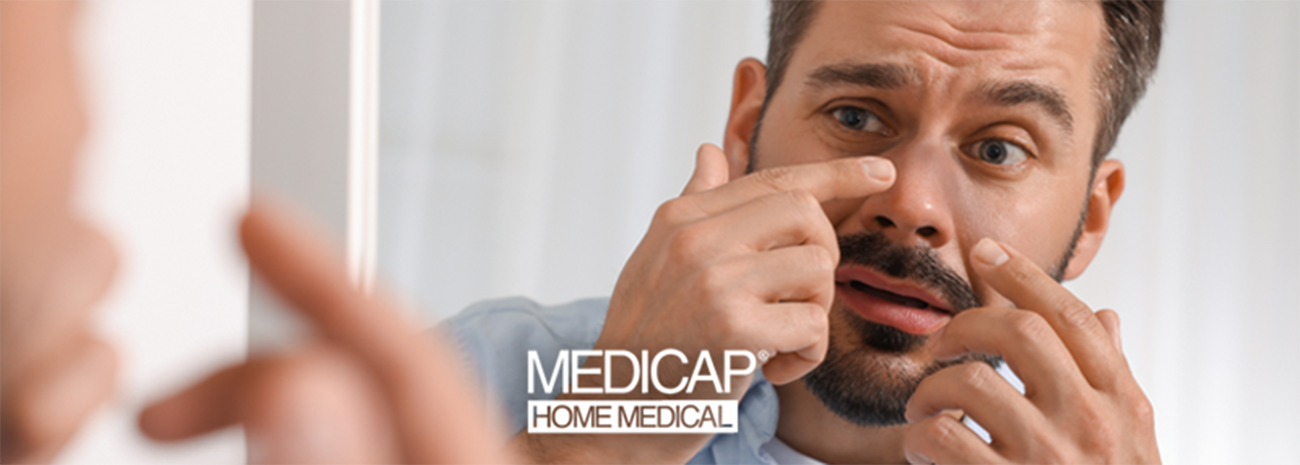
You peel off your CPAP mask, glance in the mirror, and there they are — red lines along your cheeks, a crease across the bridge of your nose, or tender spots that weren’t there when you went to bed.
It’s a common and frustrating experience. You’re using your prescribed therapy, but you still wake up looking like you slept on your equipment.
Light, temporary impressions from a mask cushion or headgear can happen. However, redness that lingers, tenderness that keeps returning, broken skin, or irritation that gets worse deserves closer attention.
Important: Don’t change or stop your prescribed therapy on your own. If pain, broken skin, swelling, or another concerning symptom makes wearing the mask difficult, contact your healthcare provider promptly for guidance.
Why does a CPAP mask leave marks on your face?
CPAP mask marks commonly happen when the headgear is too tight, the mask is the wrong size or style, the cushion is worn, or pillow pressure shifts the mask while you sleep. Checking the fit, cushion, headgear, and sleeping position can help you identify the possible cause.
Quick Navigation
Waking up with mask marks? Use these links to jump to the section that is most helpful.
Why a CPAP Mask May Leave Marks
Marks usually come down to fit, wear, or nightly habits rather than anything you did wrong.
Common causes of CPAP mask marks include:
- Headgear that’s pulled too tight, which presses the cushion firmly into your skin
- A mask size or style that doesn’t fit your face well
- A cushion that has softened or worn down and no longer holds its original shape
- Straps that shift and slide as you move during the night
- Side sleeping or pillow pressure that pushes the mask against your face
- Skin oils, sweat, or residue that affect the cushion’s grip and seal
- Over-tightening to stop a leak, which adds pressure without addressing the cause
- Equipment that needs cleaning or replacement and no longer performs as intended
ResMed notes that facial marks can be a sign that a mask isn’t fitting correctly or that the headgear straps have been overtightened. The company recommends reviewing both mask fit and strap tension, with the mask resting securely but not uncomfortably against the face.
Keep in mind: This information can help you troubleshoot your equipment, but it can’t diagnose a skin condition. If you notice a rash, persistent soreness, or another possible skin reaction, contact your healthcare provider.
Why Tighter Isn’t Always Better
When a mask leaks, the natural instinct is to cinch the straps down. Unfortunately, that can backfire.
Over-tightening increases pressure across your cheeks and nose, creates deeper marks, and adds discomfort that can make therapy harder to tolerate. It can also distort the cushion, causing it to fold or bend out of shape and possibly making the leak worse.
The goal: A well-fitted mask should feel secure but gentle, with the cushion doing the sealing rather than brute force from the straps.
ResMed’s mask-fitting guidance advises against over-tightening and notes that leaks may be related to the mask’s adjustment, assembly, size, or condition.
Practical Fit and Comfort Checks You Can Do Tonight
A few basic adjustments may help you determine what’s affecting your fit.
- Fit the mask while lying down in your usual sleeping position. Your face and the cushion settle differently when you’re horizontal.
- Turn your machine on before making final adjustments so the cushion fills and seals as it will during therapy.
- Adjust the straps gradually and evenly, making small changes on each side.
- Resist pulling the straps as tight as they’ll go. Aim for snug, not clamped.
- Check the cushion’s position to make sure it isn’t folded, gapping, or sliding out of place.
- Inspect the cushion and headgear for wear, including stretched straps, thinning material, cracks, or a cushion that no longer returns to its original shape.
- Clean your equipment according to the manufacturer’s instructions so oils and residue don’t build up.
- Ask for a professional mask fitting if marks, leaks, or discomfort continue after basic adjustments.
Because your face settles differently when you lie down, it’s best to check the fit in your normal sleeping position. ResMed’s mask-fitting guidance also recommends checking the mask’s adjustment, size, and condition rather than continuing to tighten it.
One caution: You can follow your mask’s instructions for basic fit adjustments, but don’t change prescribed pressure settings on your own. If you’re unsure about either, contact your equipment provider or healthcare team.
Still Waking Up With CPAP Mask Marks?
If basic adjustments aren’t improving the fit, your mask may need a closer look. Medicap Home Medical, formerly NuCara Home Medical, can help you review your mask size, style, cushion, and headgear.
Ask About a CPAP Mask Fitting Find a Location Near You
A Closer Look at Side Sleeping
If you sleep on your side, your pillow becomes part of the equation. Pillow contact can press the mask into your face, twist the frame, or move the straps as you shift during the night.
The hose can also pull on the mask if it catches on your bedding, body, or furniture.
When you talk with Medicap, it can help to review:
- Your mask size and style
- Where the mask touches your pillow
- How the headgear fits while you’re lying on your side
- Whether the hose pulls when you turn
- Whether the cushion or straps show signs of wear
- Compatible comfort accessories that could reduce pressure or help manage the hose
No mask or comfort accessory works for everyone. Reviewing your full setup with an equipment provider may help you find an option that better fits your face and sleeping position.
When CPAP Mask Marks Deserve More Attention
Some mask impressions are minor and temporary. Others need attention from an equipment provider or healthcare professional.
Reach out for help if you notice:
- Broken skin
- Blisters
- Open sores
- Swelling
- Significant pain
- A spreading rash
- Marks that don’t fade
- Irritation that keeps returning
- Discomfort that continues after fit and cleaning adjustments
A simple way to decide who to call is to consider the type of question you have.
Contact Medicap for
- Mask fit questions
- Equipment concerns
- Worn cushions or headgear
- Mask size or style questions
- CPAP replacement supplies
- Resupply help
Contact your healthcare provider for
- Broken skin
- A rash or swelling
- Significant pain
- Other skin symptoms
- Therapy concerns
- Questions about prescribed settings
When in doubt, it’s reasonable to call and ask where your concern should be directed.
Related Reading
How Fresh Supplies May Help Your Mask Fit and Seal
Cushions and headgear wear down with regular use. A softened cushion can lose its shape, while stretched straps may no longer hold the mask steadily in place.
That can lead to:
- More leaks
- Frequent mask adjustments
- Additional tightening
- Facial marks
- Pressure points
- Discomfort during the night
Replacing worn parts may help improve the mask’s fit, contact, and comfort. If the marks continue after replacement, ask Medicap to review the mask’s size, style, and fit.
You can explore CPAP masks and PAP products or order CPAP replacement supplies through Medicap’s resupply program.
Good to know: Supply eligibility and replacement timing vary by insurance plan. Medicap can answer questions about the resupply process and help you review the options available to you.
Is Your Cushion or Headgear Showing Wear?
Medicap can help you review CPAP masks, cushions, headgear, and other replacement supplies.
Start Your CPAP Resupply Order Explore CPAP Masks and PAP Products
Common Questions About CPAP Mask Marks and Irritation
Are CPAP mask marks normal?
Light, temporary impressions can happen after wearing a mask overnight. Redness that lingers, keeps returning, or comes with pain, swelling, or broken skin is worth discussing with the appropriate provider.
Why does my CPAP mask leave deep lines?
Deep lines may be related to headgear that’s too tight, a worn cushion, pillow pressure, or a mask size or style that doesn’t fit your face well. Reviewing the fit and checking your supplies for wear are good starting points.
Should I loosen my CPAP mask?
Your mask should feel snug but not painfully tight. Follow the fitting instructions for your specific mask, and make small, even adjustments. If loosening the straps causes leaks or doesn’t reduce the marks, contact your equipment provider for help.
Can an old cushion cause facial marks?
A worn cushion may lose its original shape and no longer rest evenly against your face. Replacing it may improve contact, comfort, and sealing. If marks continue after replacement, ask your equipment provider to review the full mask setup.
Can side sleeping make CPAP mask marks worse?
It can. Pillow pressure, movement, and hose tension can push the mask against your face or move it out of position. Review your mask fit while lying on your side, and ask your equipment provider about options compatible with your sleep position.
When should I ask for a new mask fitting?
Consider asking for a professional fitting if marks, leaks, or discomfort continue after you’ve adjusted the straps, followed the mask’s fitting instructions, and confirmed that the cushion and headgear are in good condition.
Where can I get help with my CPAP mask fit?
A home medical equipment provider can review your mask size, style, cushion, headgear, and sleeping habits. You can contact the Medicap sleep therapy team or find a Medicap Home Medical location near you to ask about mask-fitting support.
Should I stop using CPAP if my skin is irritated?
Don’t stop or change your prescribed therapy on your own. Contact your healthcare provider if skin symptoms, pain, swelling, or broken skin make wearing the mask difficult. For equipment fit or supply concerns, contact Medicap.
Get Help With CPAP Mask Fit and Comfort
If you’re waking up with red lines, pressure marks, or sore spots night after night, it’s worth taking a closer look at your mask fit and supplies.
The Medicap team can help you review your mask, replace worn supplies, or find local support for ongoing fit concerns.
Ask About a CPAP Mask Fitting Start Your CPAP Resupply Order.
For questions about your therapy, skin symptoms, or prescribed settings, contact your healthcare provider. For mask fit, equipment, or supply questions, contact your home medical equipment provider.
Comments