
Medicap Home Medical
Updated Wed August 26, 2026
Published Under: CPAP Masks CPAP Therapy & Tips
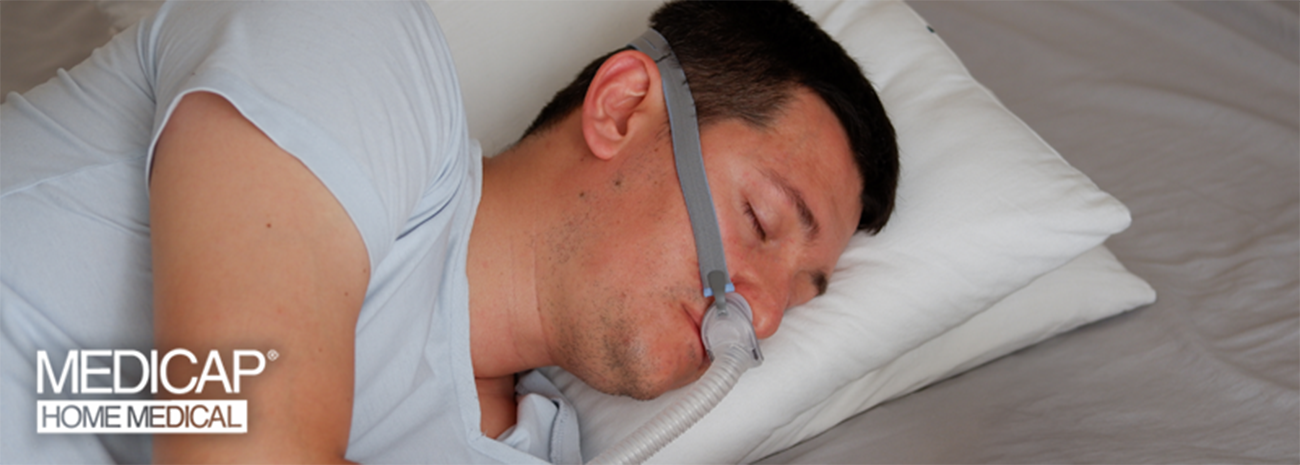
Your CPAP mask fits when you first lie down, but after you roll onto your side, you hear air escaping or feel it blowing toward your eyes. If that sounds familiar, the problem may be less about side sleeping itself and more about how your mask, pillow, straps, cushion, and hose interact when you change positions.
Side sleeping can create unique challenges for your mask seal. Your pillow may press against the cushion, your headgear may shift, or the hose may pull the mask slightly out of place.
Checking each part of your setup can help you identify what may be disrupting the seal. If leaks continue after basic adjustments, Medicap Home Medical, formerly NuCara Home Medical, can help you review your mask fit, worn supplies, and other equipment options.
Quick Navigation
Hearing air escape when you turn? Use these links to jump to the section that is most helpful.
Why Side Sleepers May Experience More CPAP Leaks
Why does my CPAP mask leak when I sleep on my side?
When you sleep on your side, your pillow can press against your mask and shift it slightly out of position. Even a small change in mask placement may break the seal between the cushion and your skin, allowing air to escape.
Your head may also sink into the pillow, changing the position of the frame or pressing one side of the cushion more firmly against your face. As you move during the night, the headgear may shift, the hose may pull, or the cushion may lose contact with your skin.
Possible reasons your CPAP mask leaks when you sleep on your side include:
- Pillow pressure pushing the mask out of position
- Your head sinking deeply into the pillow
- Headgear straps that are too loose or too tight
- A hose that pulls when you turn
- Worn cushions or headgear
- Movement during sleep
- A mask size or style that isn’t working well with your sleep position
- Facial oils or residue affecting the seal
- Straps tightened too much in an attempt to stop leaks
Check your fit lying down: A poor mask fit, overtightened headgear, mask size, facial oils, and worn equipment are all possible causes of CPAP mask leaks. It’s recommended that you check the mask fit while lying down, because a mask may fit differently in bed than it does while sitting or standing.
If you notice air escaping around your eyes, cheeks, or nose, your mask seal may need attention.
A Step-by-Step Check for Side-Sleeper CPAP Leaks
Use this checklist to look at the full setup before assuming that you need a different mask.
- Lie on your usual side before checking the fit. Your face, pillow, and mask interact differently when you’re lying down.
- Turn your therapy on before making final adjustments. This allows the cushion to fill and seal as it does during treatment.
- Notice whether the pillow presses against the frame or cushion. Check where your face rests and whether the edge of the pillow pushes the mask out of position.
- Check whether the hose pulls when you turn. Make sure the tubing has room to move without tugging on the mask.
- Inspect the cushion and headgear for wear. Look for cracks, tears, stiffness, stretched straps, or material that has lost its flexibility.
- Clean the cushion according to the manufacturer’s instructions. Facial oils, skin care products, and residue can affect the seal.
- Adjust the straps gradually and evenly. Aim for a secure fit without pulling the straps as tightly as possible.
- Roll from your back to your side and recheck the seal. Listen and feel for leaks that begin only after you change positions.
- Ask for a professional mask-fitting review if leaks continue. Your equipment provider can help assess the mask’s size, style, cushion, and headgear.
One caution: These checks focus on your mask and equipment. Don’t change your prescribed pressure settings on your own. Contact your healthcare provider if you have questions about your therapy or settings.
Still Hearing Air Escape When You Turn?
Medicap can help you review your mask size, style, cushion, headgear, and other possible equipment concerns.
Ask About a CPAP Mask Fitting Find a Medicap Home Medical location
Check Whether Your Mask Is Too Loose or Too Tight
Many CPAP mask leaks at night are related to a mask that isn’t adjusted correctly. The mask should rest comfortably against your face while maintaining a consistent seal.
Signs Your Mask May Be Too Loose
Signs your mask may be too loose
A loose mask may shift when you turn onto your side.
- Air blowing toward your eyes
- Frequent mask movement
- Hissing or whistling sounds
- Leaks around the cushion
- Waking up to reposition the mask
- Headgear that slides during sleep
Signs your mask may be too tight
Tighter isn’t always better. Pulling the straps too firmly can distort the cushion and create additional leaks.
- Red marks that linger after waking
- Facial soreness or pressure points
- A cushion that folds or changes shape
- Increased leaks despite tightening
- Discomfort that interferes with sleep
If leaks or discomfort continue, be sure to check your headgear tension, mask size, and mask type.
Evaluate How Your Pillow Affects Your Mask
It’s easy to focus only on the mask and overlook the pillow.
A firm, thick, or high pillow may press against the mask when you sleep on your side. The pressure may shift the frame, push the cushion inward, or move the headgear.
Ask yourself:
- Does the pillow press against the mask frame or cushion?
- Does my head sink deeply into the pillow?
- Do leaks happen more often on one side?
- Does my mask shift when I change positions?
- Do I wake up needing to reposition it?
- Does part of the mask extend beyond the pillow’s edge?
Also look at your head and neck position. A pillow that moves your head too far forward, backward, or toward the mattress may place extra pressure on the mask.
Some people discuss CPAP-friendly pillows or other comfort accessories with their /pap-products. No pillow or accessory is guaranteed to stop leaks, but reviewing how your pillow interacts with the mask may help you identify the source of the problem.
Check Whether Your Hose Pulls When You Turn
A hose that catches on your bedding, bed frame, nightstand, or body can tug the mask out of place when you roll onto your side.
Before going to sleep, check that the tubing has enough room to move with you without pulling against the mask. Pay attention to whether the hose:
- Gets trapped underneath your body
- Catches on bedding or furniture
- Hangs tightly from the side of the bed
- Pulls against the mask when you turn
- Pushes the mask upward or sideways
Safety note: Keep the hose arranged according to your equipment manufacturer’s instructions. Avoid setups that could create an entanglement or tripping hazard. If you’re unsure how to manage the tubing around your bed, ask Medicap about compatible hose-management or comfort options.
Inspect the Cushion, Headgear, and Seal
A proper seal depends heavily on the condition of your equipment. Even if the fit hasn’t changed, normal wear can affect how the mask rests against your face.
Exposure to facial oils, skin care products, nightly movement, and repeated cleaning may gradually change the cushion’s condition.
Watch for:
- Cracks or tears
- Stiffness
- Discoloration
- A sticky or worn texture
- Loss of flexibility
- Stretched headgear
- Increasing leaks
- Frequent mask adjustments
Replacing worn parts may help improve the mask’s fit and seal. However, don’t assume that every leak means you need a completely different mask. Start by checking the cushion and headgear, then ask for fitting help if the problem continues.
Good to know: Follow your mask manufacturer’s replacement guidance. Insurance eligibility and replacement timing can vary by plan.
Is Your Cushion or Headgear Showing Wear?
Medicap can help with replacement masks, cushions, headgear, and other PAP supplies.
Start Your CPAP Resupply Order Explore CPAP Masks and PAP Products
Coverage and replacement timing vary by insurance plan.
Consider Whether a Different Mask Style Might Help
Sometimes, recurring leaks aren’t caused only by adjustment problems or worn equipment. The mask’s size, shape, or style may not work well with the person’s face or sleeping habits.
Nasal Masks
Nasal masks cover the nose and generally have less facial contact than full-face masks. They may provide a comfortable fit for some users, but pillow pressure can still affect the seal.
Nasal Pillow Masks
Nasal pillow masks use small cushions that rest at the nostrils rather than covering the nose. Their smaller profile may reduce pillow contact for some side sleepers. However, mask choice also depends on facial shape, breathing habits, prescribed therapy, comfort, and fit.
Full Face Masks
Full-face masks cover the nose and mouth. Some newer designs use lower-profile frames or cushions intended to reduce bulk, but they still have a larger sealing area than many nasal styles.
Medicap can help you compare available mask styles and review equipment fit. Your healthcare provider should address questions involving your prescribed therapy or clinical needs.
Explore CPAP mask styles and PAP products.
When to Contact Your CPAP Equipment Provider
Occasional leaks may improve after basic mask, pillow, hose, and cushion checks. Ongoing leaks may require help from your equipment provider or healthcare team.
Contact Medicap for
- Leaks that continue despite fit adjustments
- A professional mask-fitting review
- Worn or damaged equipment
- Questions about compatible masks or accessories
- Concerns about mask size or style
- Replacement cushions, headgear, or supplies
- A hose or other component that may be contributing to leaks
At Medicap Home Medical, we help patients troubleshoot CPAP issues every day. Whether you need help finding replacement supplies or exploring a different mask style, we're here to support your long-term therapy success.
Related Reading
Side Sleeping and CPAP Mask Leaks Answered
Why does my CPAP mask leak only when I sleep on my side?
Your pillow may press against the mask, your headgear may shift, or the hose may tug when you turn. Check the fit while lying on your usual side to see what changes.
Should I tighten my mask before sleeping on my side?
Your mask should feel secure but comfortable. Overtightening can distort the cushion, create pressure points, and sometimes make leaks worse. Follow the fitting instructions for your specific mask.
Can a pillow cause CPAP mask leaks?
Yes. Pillow pressure may push against the mask or move it out of position. Look at the pillow’s height, your head and neck position, and where the mask rests against the pillow.
Can the CPAP hose pull my mask out of place?
It can. If the hose catches on bedding, furniture, or your body, it may tug on the mask when you turn. Make sure the hose can move without creating tension or a safety hazard.
Is one type of mask better for side sleepers?
There isn’t one mask style that works best for every side sleeper. The right mask depends on facial shape, sleep habits, comfort, prescribed therapy, and fit. An equipment provider can help you compare options.
How do I know if my cushion is worn out?
Look for cracking, stiffness, tears, discoloration, loss of flexibility, or leaks that continue despite proper adjustment. Follow the manufacturer’s replacement guidance and contact Medicap with resupply questions.
When should I request a new mask fitting?
Ask for fitting help if leaks continue after you’ve checked the pillow, hose, cushion, headgear, and strap adjustment. A fitting may also help if the mask has never felt secure or comfortable.
What does a CPAP leak feel like?
You may notice air blowing on your face, eyes, or cheeks, along with hissing noises or increased dryness.
Get Help With Ongoing CPAP Mask Leaks
If your mask continues to leak when you sleep on your side, the Medicap team can help you review fit, worn supplies, and compatible equipment options.
Contact the Medicap Sleep Therapy Team Start Your CPAP Resupply Order
Comments